

Products
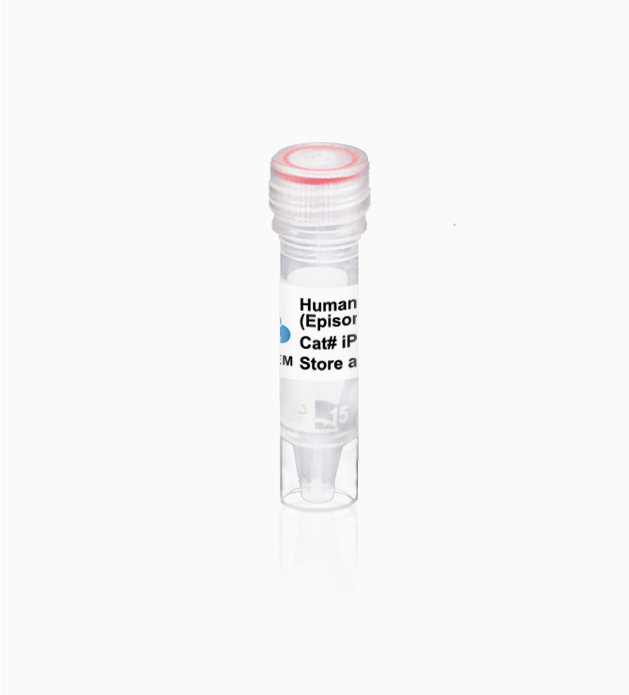
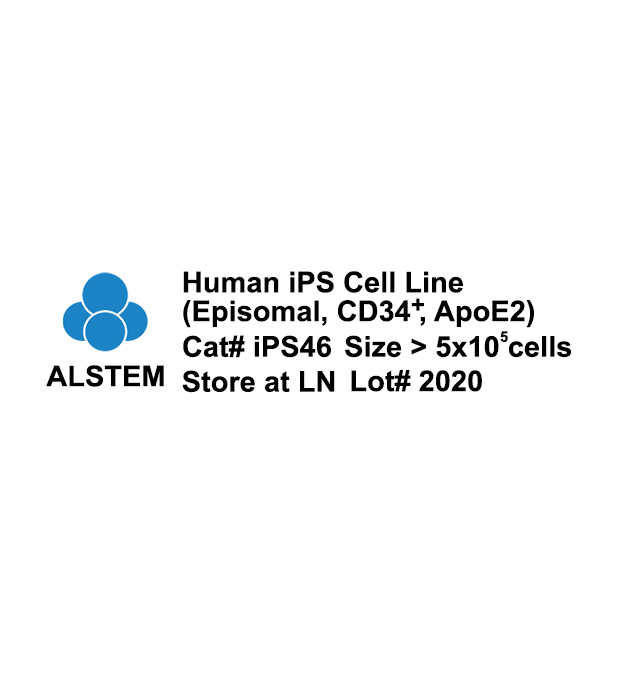
Human iPS Cell Line (Episomal, CD34+, ApoE2)
ALSTEM’s human isogenic iPS cell lines carrying main APOE variants
Have questions? Contact us
Highlights
ALSTEM’s human isogenic iPS cell lines carrying main APOE variants (APOE-ε2, cat# iPS46; APOE-ε3, cat# iPS26; APOE-ε4, cat# iPS16) and an APOE knock-out line (cat# iPS36) share the same genetic background. They are good candidates for studying AD-related pathologies in neurons induced specifically by ApoE4, as well as for drug discovery. Highlight of these lines include:
- Derived from one single iPSC clone
- Sharing the same genetic background
- Off the shelf - simple thaw the cells and plate them onto serum-free, feeder-free culture
- Transgene- and virus-free
- Demonstrated expression of pluripotency markers and endogenous alkaline phosphatase activity
ALSTEM’s footprint-free human iPS (induced pluripotent stem) cell line carrying APOE-ε2 variant (cat# iPS46) was derived from the Alstem's isogenic iPSC line (cat# iPS16) by advanced genome editing tool. Sequencing results confirmed that iPS46 isogenic line has a stable homozygous conversion with Cys112 (TGC) from Arg112 (CGC) and Cys158 (TGC) from Arg158 (CGC) in the APOE gene. The morphology of this human iPS cell line is identical to that of human ES cells. The cells also express the pluripotency markers TRA-1-60, SSEA-3 and Oct4, and demonstrate strong endogenous alkaline phosphatase activity.
| Product Name | Human iPS Cell Line (Episomal, CD34+, ApoE2) |
|---|---|
| Shipping Condition |
Dry Ice - Overnight Shipping |
| Storage and Stability |
Store in vapor phase of liquid nitrogen immediately upon receipt. This product is stable for 6 months when stored as directed. |
| Quality Control | Human iPS cells were grown in feeder free conditions with mTeSR1 medium. Each lot of human iPS cells is tested for growth and viability following recovery from cryopreservation. In addition, each lot is tested for expression of TRA-1-60 and Oct4, as well as the activity of alkaline phosphatase. |
| Restricted Use |
For Research Use Only. Not for use in diagnostic or therapeutic procedures. |
- Ding Y. et al., iPSC-derived blood–brain barrier modeling reveals APOE isoform-dependent interactions with amyloid beta. Fluids Barriers CNS (2024)
- Lee H. et al., Cell-type-specific regulation of APOE and CLU levels in human neurons by the Alzheimer’s disease risk gene SORL1. Cell Reports (2023
- Lagomarsino V.N. et al., Stem cell-derived neurons reflect features of protein networks, neuropathology, and cognitive outcome of their aged human donors. Neuron (2021
Have Questions?
If you don't see the product you're looking for, please don't hesitate to CONTACT US. Our dedicated team of scientists will provide you our best solutions for your desired results.